Bone health
Osteoporosis: prevention is the best option
What it is, who it affects and how we care for your bones to offer you quality of life in the long term. People first.
What is osteoporosis?
Your bones are living tissue: they renew themselves throughout your life. In osteoporosis, bone mass and quality are lost, so the bone becomes fragile and can break with a minor fall, or even without a fall.
It is usually silent: it does not hurt until a fracture occurs. That is why you do not need pain to have your bones checked.
The numbers
Data from the International Osteoporosis Foundation (IOF) and Mexican studies.
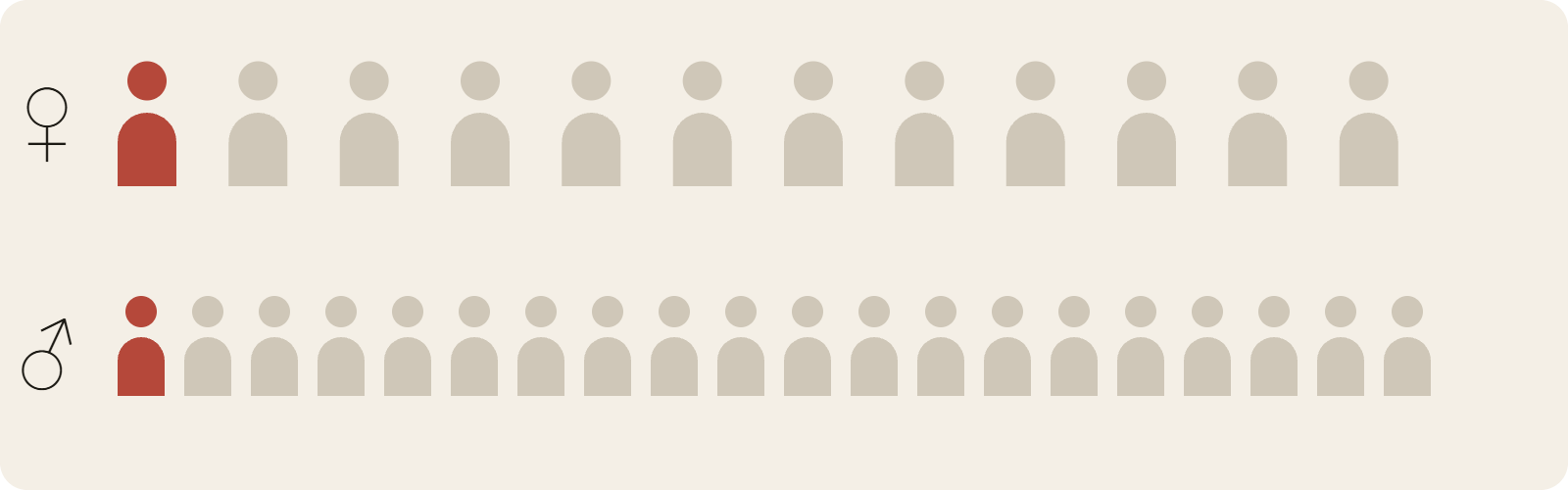
1 in 3 and 1 in 5
women and men over 50, respectively, will have a fragility fracture in their remaining lifetime (IOF).
Every 3 seconds
an osteoporotic fracture occurs somewhere in the world; about 200 million people are affected (IOF).
1 in 12 and 1 in 20
Mexican women and men over 50, respectively, will suffer a hip fracture.
17 % and 16 %
of Mexican women over 50 have osteoporosis in the lumbar spine and in the hip, respectively.
Up to ×5
the risk of another fracture during the first year after a fragility fracture (IOF).
About 10 %
of older women with a fragility fracture receive treatment for osteoporosis (IOF).
What is coming: more fractures
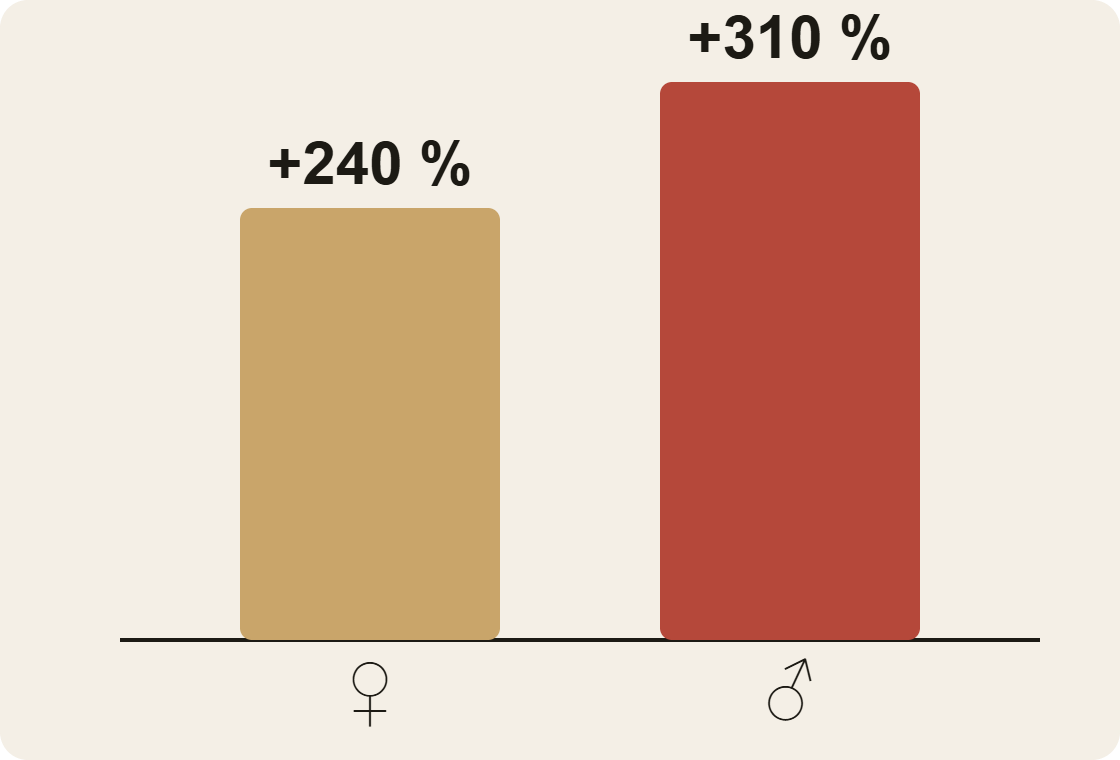
With population ageing, hip fractures are projected to rise by 240 % in women and 310 % in men by 2050 compared with 1990 (IOF). Preventing today makes the difference.
How it is diagnosed
The diagnosis combines a medical evaluation, your risk factors and a bone density scan (DXA). The WHO defines osteoporosis as a T-score of −2.5 or lower. Lab tests are also reviewed. I interpret your tests even if they were done elsewhere.
When it is worth getting checked
- If you are a woman aged 45 or older, or menopause has arrived.
- If you had a fracture from a minor blow.
- If you take corticosteroids or other bone-affecting medications for a long time.
- If there is a family history of hip fracture, low body weight, smoking or heavy alcohol use.
- If you want to prevent it: I recommend starting from age 40, especially for women before menopause.
How we treat it
My approach combines conventional medicine with complementary therapies, always as a complement and never instead of your medical treatment.
- Medical history and clinical examination.
- Interpretation of bone density scan and lab work.
- Medical treatment, physical activity and lifestyle changes.
- Monthly follow-up; how long it lasts depends on you and your condition.
Take care of your bones from today
- A diet with calcium, protein and vitamin D; the amount depends on your case.
- Strength, balance and walking exercise, adapted to your condition.
- Avoid tobacco and excess alcohol.
- Prevent falls at home: good lighting, no loose rugs and sturdy footwear.
- Have your bones checked regularly from age 40 or 45.
Seek urgent care if:
You have severe hip pain after a fall or cannot put weight on your leg; back pain with new weakness in both legs; numbness in the groin or genital area; or new difficulty urinating or loss of bladder or bowel control.
Do you want your bones checked?
Message us on WhatsApp. I see patients at the clinic (Mexico City) or remotely.
Sources
- International Osteoporosis Foundation: Facts and Statistics
- IOF: LATAM Audit 2021, Capítulo México
- Revista Horizonte Sanitario (UJAT): Costo-efectividad de tratamientos para osteoporosis en mujeres posmenopáusicas en México
- Acta Médica Grupo Ángeles (2022): Prevalencia de fracturas en adultos mayores
- IOF vía MedicalXpress (2023): The global burden of fragility fractures
This page is informational and does not replace a medical consultation.